Traditional knowledge is the backbone of indigenous identity in the Hill Tracts. We work with communities to keep it living — in looms, in language, in the soil.
Not artifacts under glass — a living body of practice held by communities, spoken in mother tongues, worked with the hands.
01
Language & Oral Traditions
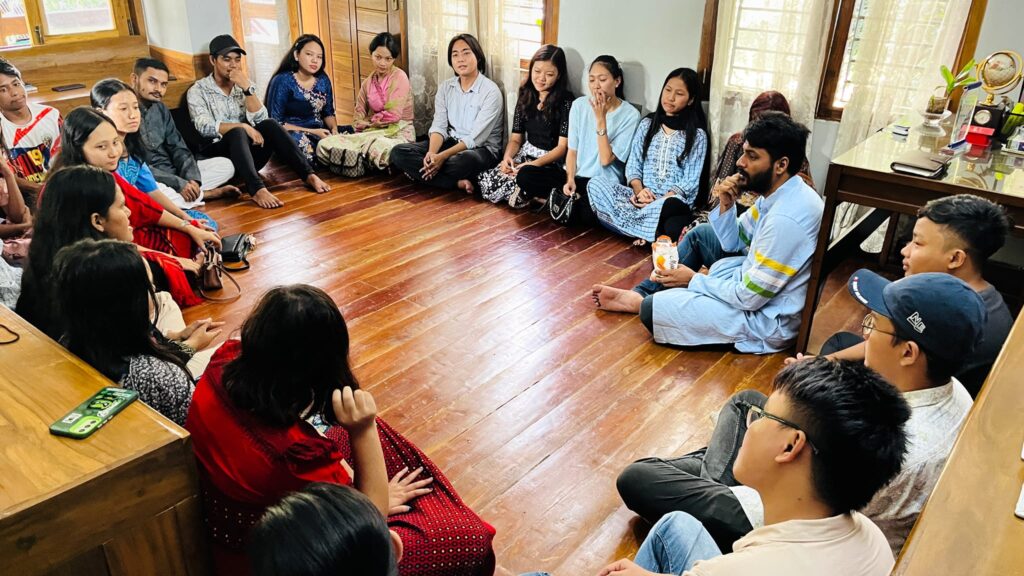
Documenting Chak, Marma and Tanchangya proverbs, songs and stories — turning spoken heritage into published archives.
1200+
proverbs collected
02
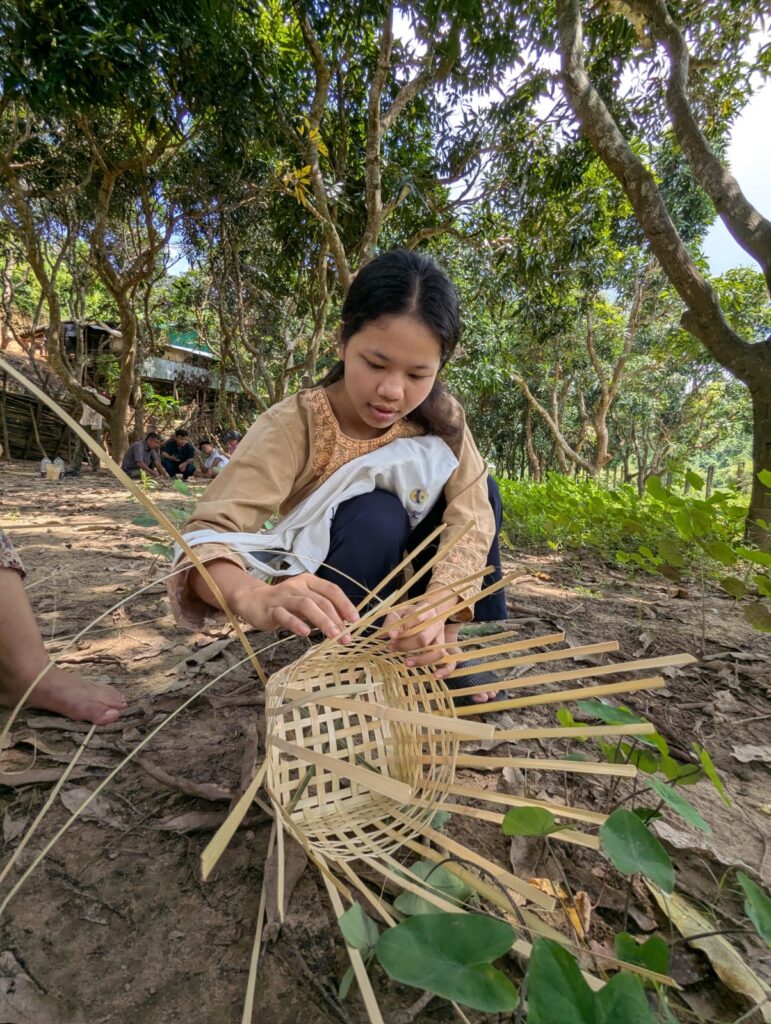
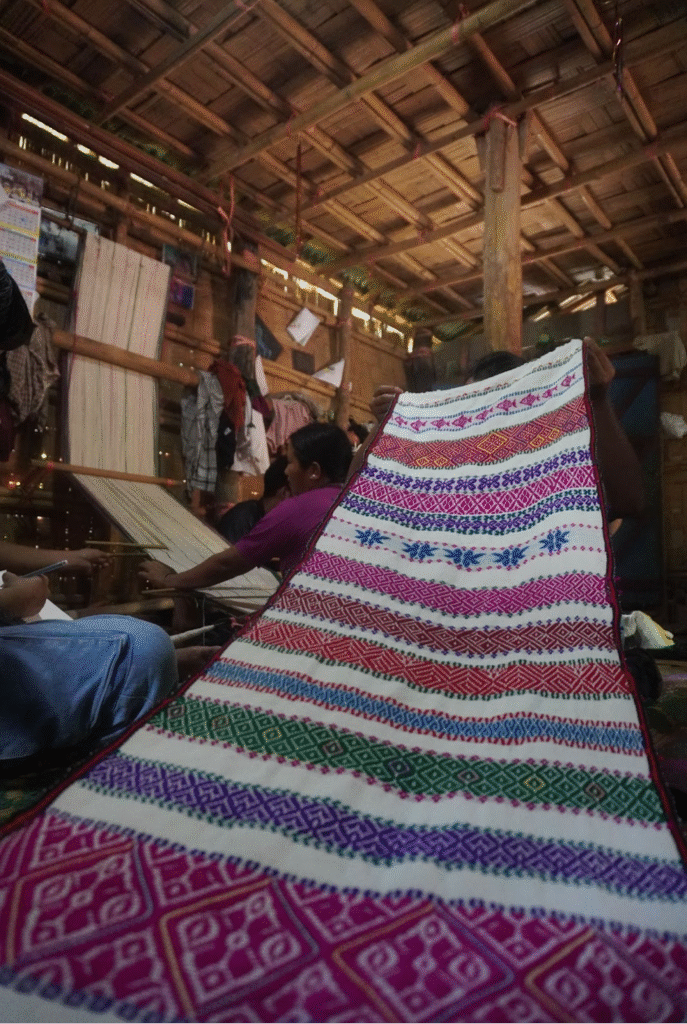
Weaving & Craft
Reviving nearly lost Chak weaving motifs through master-artisan residencies and paid apprentice cohorts.
17
patterns revived
03
Folklore in Bangla
Translating and illustrating Marma folktales into Bangla so a new generation can read the stories their grandparents told.
4
books published
04
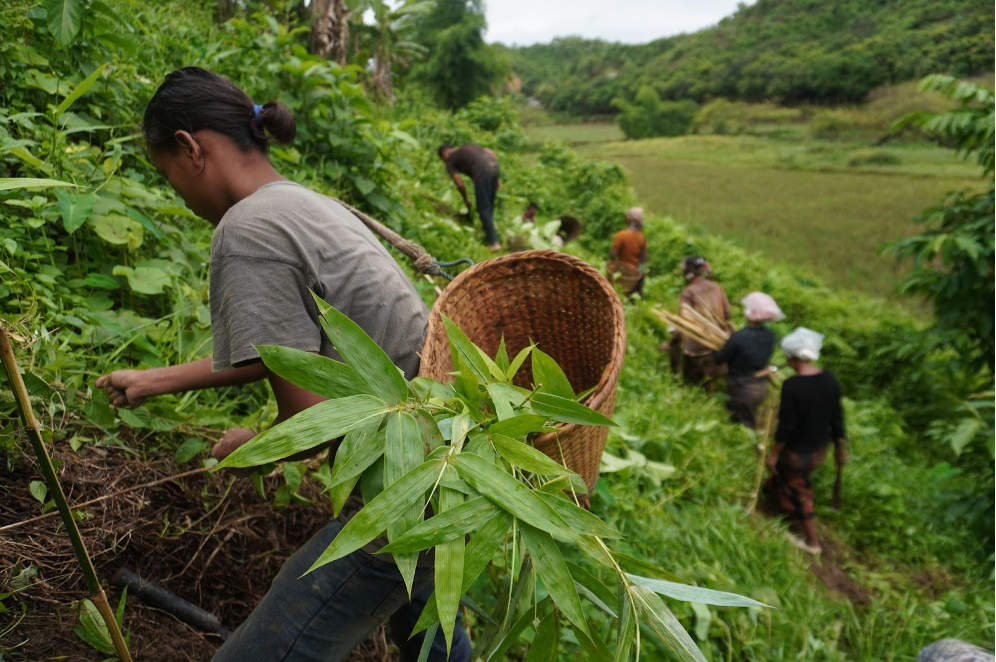
Land & Farming Wisdom
Recording jhum cycles, seed banks and forest-food knowledge — climate resilience passed down through generations.
45
villages mapped
"When a language dies, a way of seeing the forest dies with it. We are trying to keep the eyes open."
- Green Milieu Youth Organization
On the ground
Three initiatives, one commitment — nothing is lost on our watch.
01
Cultural Heritage Preservation
Preserving Indigenous Heritage
Green Milieu preserves indigenous heritage by reviving Chak weaving, documenting oral traditions, and translating Marma folklore. Through cultural programs, we help indigenous youth reconnect with their roots and keep traditional knowledge alive for future generations.
Rising poverty, limited access to resources, and the absence of indigenous-focused education threaten the survival of this knowledge. Many children grow up detached from their language and culture.
Preserving traditional knowledge is not only about safeguarding the past — it is about strengthening identity, empowering communities, and ensuring a future where diversity thrives.
Every workshop, every book, every apprentice matters.
Sponsor a story
Help us record what would otherwise disappear.
Fund a storytelling circle, sponsor a weaving apprentice, or print the next Marma folktale book — every contribution keeps a tradition breathing.